Why a Minimalist Wardrobe Actually Needs More Texture Variety, Not Fewer Pieces
A minimalist wardrobe built around a narrow, neutral color palette can end up looking flat and forgettable, but the actual missing ingredient in most bland minimalist outfits usually isn’t color, it’s a lack of texture variation doing the visual work that color would otherwise provide.
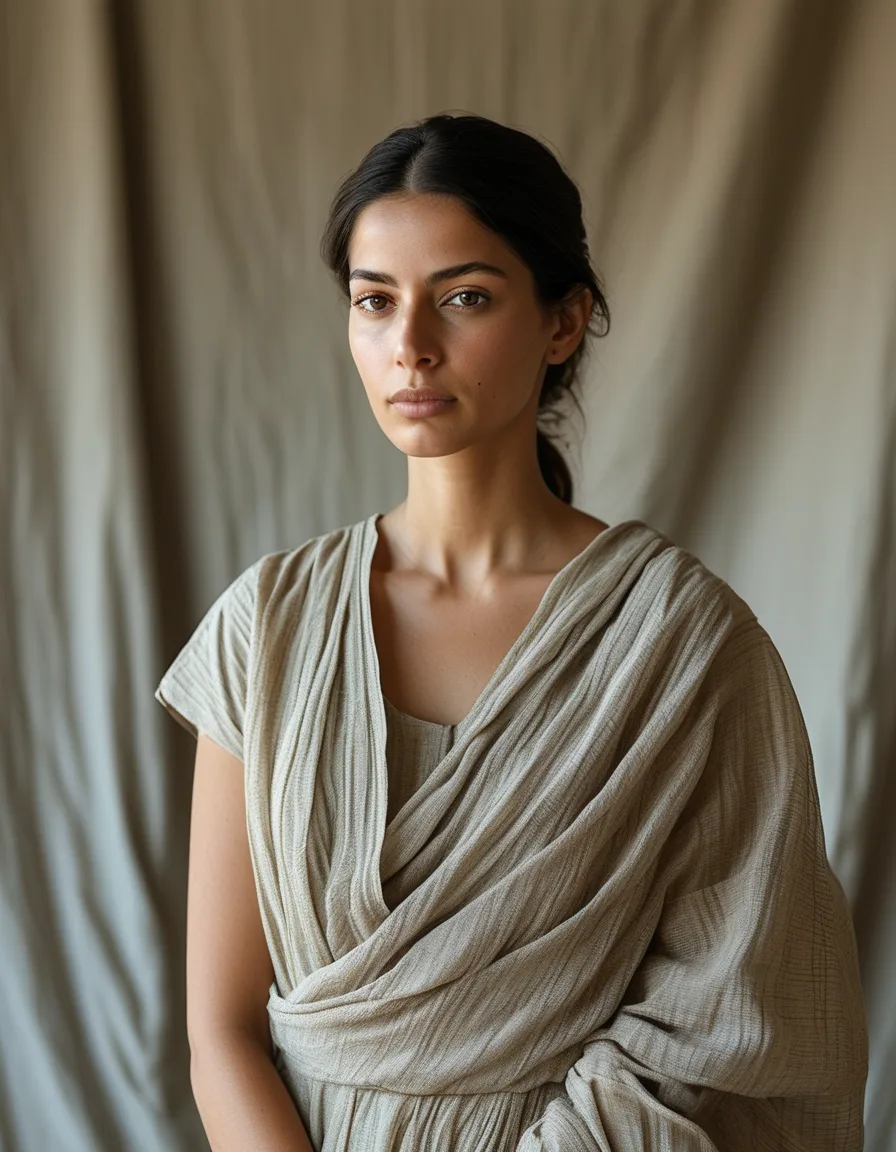
Why Removing Color Variety Removes an Easy Source of Visual Interest
The gap it creates: a wide color palette naturally creating visual contrast and interest without much other effort, so narrowing down to mostly neutrals removes that easy built-in source of contrast, leaving a gap that has to be filled some other way.
Why Texture Is the Tool That Fills That Gap
The substitute: varying fabric texture, a nubby wool knit next to smooth silk, matte cotton against a subtle sheen, creating visual depth and contrast through surface rather than color, which works even within an entirely neutral palette.
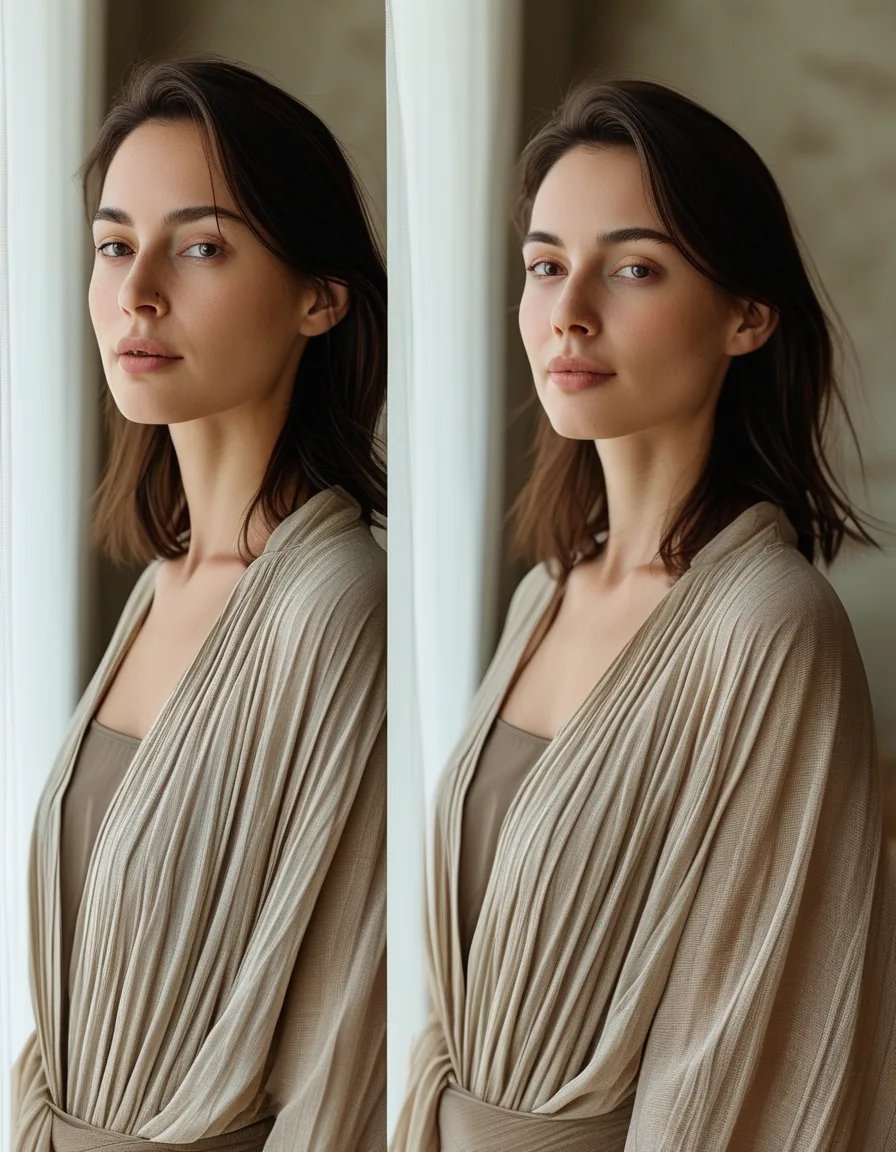
Why Monotextural Minimalist Outfits Read as Flat
The common mistake: an outfit built entirely from similar smooth, flat-finish fabrics in similar neutral tones having genuinely nothing to create visual interest, since neither color nor texture is doing any contrast work at that point.
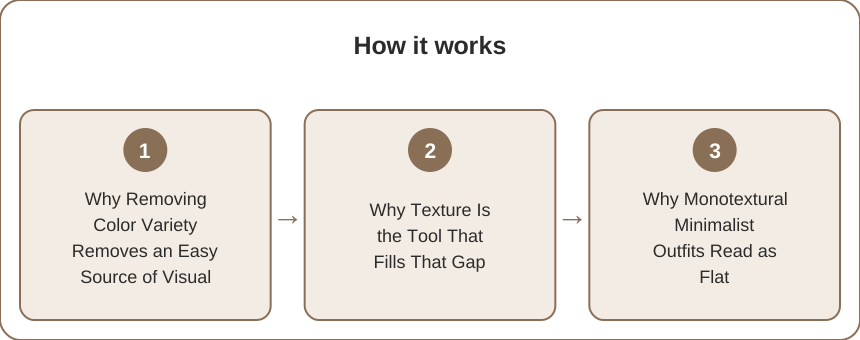
How to Actually Build Texture Into a Neutral Palette
The practical approach: deliberately pairing at least two distinctly different textures in every neutral outfit, a textured knit with a smooth trouser, a matte tee under a slightly glossy jacket, and the frame (a minimalist palette removes color as a source of visual interest, which means texture has to pick up that job — deliberately mixing textures is what keeps neutral outfits from reading as flat.)
A minimalist wardrobe built around a narrow, neutral color palette can end up looking flat and forgettable, since a wide color palette naturally creates visual contrast and interest without much other effort, and narrowing down to mostly neutrals removes that easy built-in source of contrast, leaving a gap that has to be filled some other way, specifically by varying fabric texture, a nubby wool knit next to smooth silk, matte cotton against a subtle sheen, which creates visual depth through surface rather than color and works even within an entirely neutral palette. An outfit built entirely from similar smooth, flat-finish fabrics in similar neutral tones has genuinely nothing left to create visual interest, since neither color nor texture is doing any contrast work at that point, which is why deliberately pairing at least two distinctly different textures in every neutral outfit, a textured knit with a smooth trouser, a matte tee under a slightly glossy jacket, is what keeps minimalist outfits from reading as flat.
Keep Reading
This article is for general styling and informational purposes only. Trends, sizing, availability and pricing may vary by brand and season.