Minimalist Muse

Minimalist style & the forever wardrobe

The Five-Piece French Wardrobe Rule, Explained

2026-07-14

Quick Answer: The five-piece French wardrobe rule caps your seasonal shopping at five non-basic pieces — trend items, statement buys, “fun” purchases — while everyday basics and worn-out replacements don’t count against the limit. The scarcity forces you to choose slowly and well instead of buying on impulse.

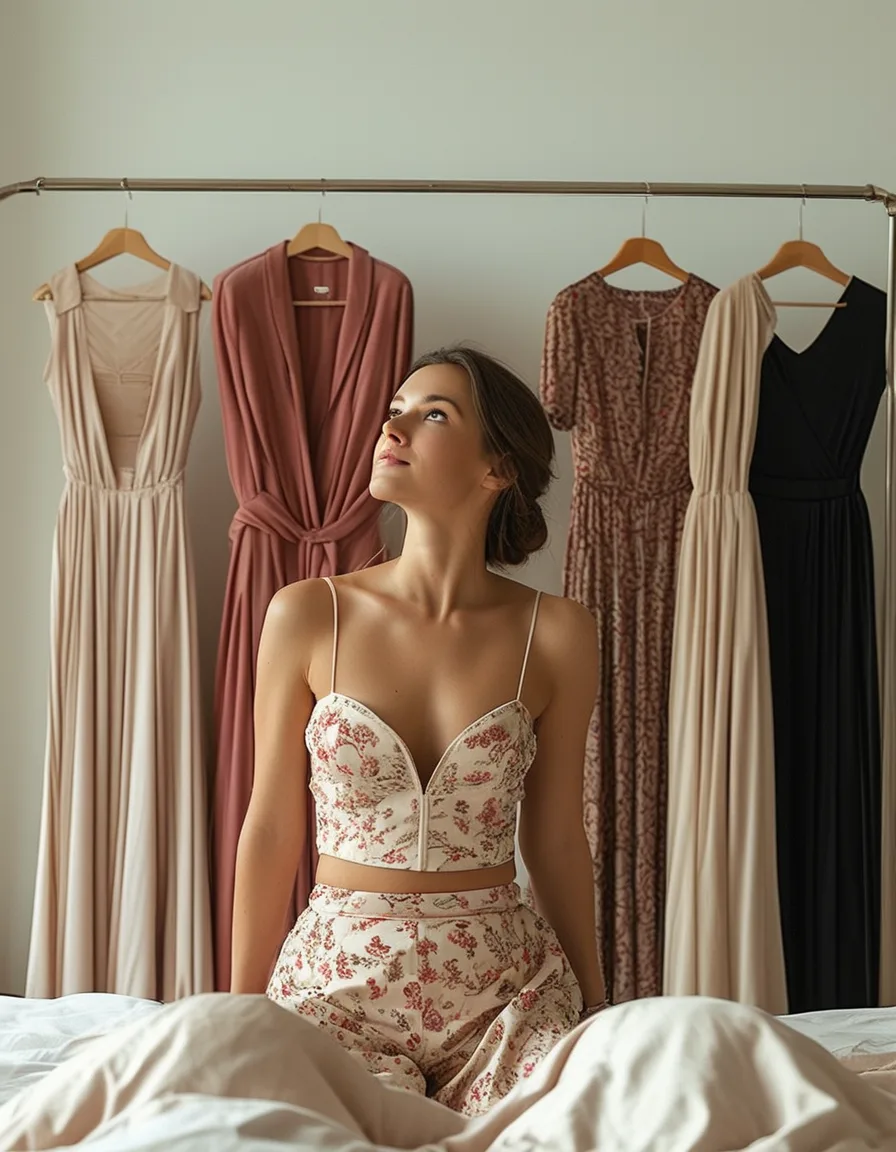
Open any closet stuffed with clothes and ask the owner how many outfits they actually love wearing, and the number is almost always smaller than the hanger count. The five-piece French rule exists because of that exact gap. Buy only five real pieces per season, and watch what happens to your relationship with shopping.

The Five-Piece French Wardrobe Rule, Explained

At a glance

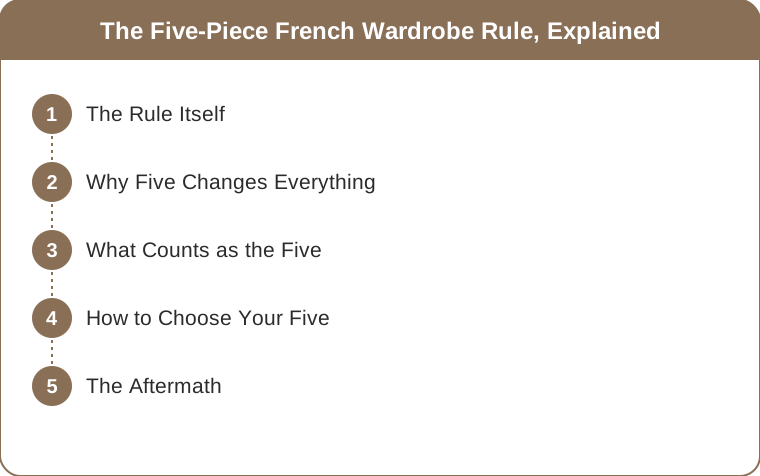
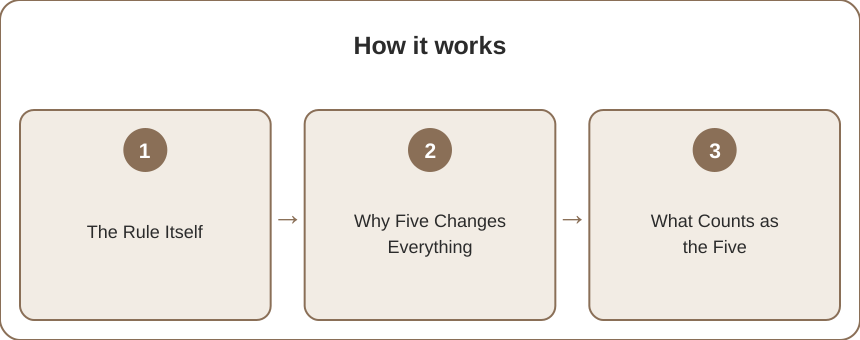
What Exactly Is the Five-Piece French Wardrobe Rule?

Per season — roughly every six months — you’re allowed five “wardrobe” pieces: trend items, statement pieces, and fun buys. Basics and like-for-like replacements (a worn-out plain tee, new hosiery) don’t count against the five. The scarcity is the mechanism — with only five slots available, every purchase has to earn its place instead of sliding in as a reflex.

Why Does Limiting Yourself to Five Pieces Actually Work?

With only five slots on the table, an impulse buy suddenly costs something real — not money, but one of your five precious opportunities for the season. That shift changes behavior fast: you start researching instead of grabbing, waiting instead of clicking “buy now,” and comparing options instead of settling for whatever’s in front of you.

Here’s the part people get wrong: the rule doesn’t restrict your style, it concentrates it. You’re not wearing less personality — you’re wearing the same amount of personality distilled into fewer, more deliberate choices.

What Actually Counts as One of the Five?

The line is simpler than it sounds — ask yourself if the item is a want dressed up as a need.

  • Counts toward the five: a trend blazer, a statement skirt, standout shoes, anything you’re buying because you want it, not because your closet has a hole
  • Doesn’t count: worn-out basics like plain tees, replacement hosiery, or anything you’re buying purely to replace something identical that broke down

If you’re honestly unsure which bucket an item falls into, that hesitation is usually the answer — genuine basics don’t require deliberation. A good test: would you have bought it anyway if it were the exact same price as the thing it’s replacing? If yes, it’s likely a basic; if the appeal is really about novelty or trend, it belongs to the five.

How Do I Choose My Five Pieces Each Season?

  1. List your gaps and desires first — before you shop, write down what’s missing and what you’ve been longing for
  2. Rank ruthlessly — five slots means most of the list won’t make the cut, so be honest about what you’ll actually wear repeatedly
  3. Choose quality over quantity every time — one wonderful coat beats three “okay” sweaters, and the same budget stretches further on fewer, better things

The Five-Piece French Wardrobe Rule, Explained

Myth vs. Fact: The Five-Piece Rule

  • Myth: Five pieces means a boring wardrobe. Fact: five thoughtfully chosen pieces recombine with everything else you own, which usually produces more outfit variety than random impulse buys ever did.
  • Myth: You’ll end up shopping more often to “make up” for the limit. Fact: most practitioners report the opposite — once you’re choosing slowly, the urge to browse constantly fades because you’re not hunting for a dopamine hit.
  • Myth: This only works if you have money to spend on expensive pieces. Fact: the rule works at any budget — it’s about the count of purchases, not the price tag on each one.

Five-Piece French Wardrobe FAQ

What happens if I want to buy a sixth piece mid-season?

Wait until the next season, or swap it for one of your original five if you haven’t purchased that item yet. The discipline is the point — bending the cap defeats the purpose of forcing intentional choices.

Does the five-piece rule apply to shoes and accessories too?

Yes — anything that’s a “want” rather than a functional basic counts toward your five, including statement shoes, bags, and jewelry. A plain replacement pair of everyday flats would not count.

How long before I notice a difference in my closet?

Most people report a fuller-feeling wardrobe with less clutter within two to three seasons, since every new item is chosen to actually get worn rather than picked up on impulse and forgotten.

Can I still shop sales if I’m following the five-piece rule?

Yes, but the discipline still applies — a sale item only counts toward one of your five if it’s genuinely a want you’d have chosen anyway, not a purchase you’re making purely because the price dropped. A “great deal” that doesn’t earn a spot on your ranked list isn’t actually a deal; it’s clutter with a lower price tag.

TL;DR:

  • Five non-basic pieces per season is the entire rule — basics and replacements don’t count
  • Scarcity turns impulse buys into researched decisions
  • Ask “is this a want dressed as a need?” to sort what counts
  • List gaps first, then rank ruthlessly, choosing quality over quantity
  • Expect a fuller-feeling, less cluttered closet within a couple of seasons

Keep Reading

This article is for general styling and informational purposes only. Trends, sizing, availability and pricing may vary by brand and season.

minimalismfrench wardrobecapsule

← All articles